

Leading the Digital Shift: Manager’s Guide to AI-Powered Teams
Digital Leadership means guiding teams through tech changes, especially when AI Adoption reshapes work. Managers face real challenges like keeping remote creative teams on track while tools take over routine tasks. This post breaks down practical steps to handle it.
Understand the Shift First
Teams now mix humans and AI tools for faster work. Remote setups add distance, so managers must bridge gaps. Strategic management starts with spotting where AI fits in daily tasks, like design reviews or content planning.
Creative teams often resist at first. They worry AI will replace ideas. But smart managers show AI as a helper, not a threat. Track progress with simple metrics: time saved per task or output quality scores.
Key Skills for Digital Leadership
Managers need hands-on skills to lead AI-Powered Teams. Focus on these areas:
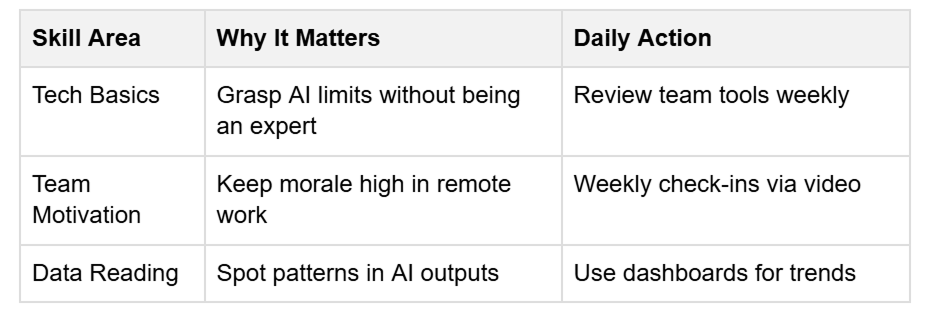
These build trust. Innovation leadership grows when teams see managers use the same tools they do.
Managing Remote Creative Teams
Managing Remote Creative Teams demands clear rules. Time zones in places like Dubai and Karachi mean async work rules. Set shared docs for ideas and AI-generated drafts.
Common issues include miscommunication. Fix it with daily stand-ups limited to 15 minutes. Tools like Slack channels split by project keep chats focused.
Change management works best in phases. Week one: train on AI basics. Week two: test on small tasks.
A world map shows team locations, Dubai hubs link to remote spots in Pakistan and beyond, highlighting scaling agencies across borders.
Steps to Boost AI Adoption
Roll out AI step by step. Start small to build wins.
- Pick one tool, like AI for image edits in creative work.
- Train in short sessions, 30 minutes max.
- Measure uptake: aim for 70% team use in month one.
- Adjust based on feedback, not guesses.
AI Adoption speeds up when managers share their own wins. One agency head cut review time by half using AI summaries.
Handle Change Management Right
Change management fails without buy-in. Talk straight about fears. Remote teams need extra reassurance since no watercooler chats exist.
Build a plan:
- Map current workflows.
- Spot AI swaps spots.
- Test with a pilot group.
- Scale after fixes.
This matches strategic management advice from recent studies, link tech to business goals early.
AI Impact on Team Roles
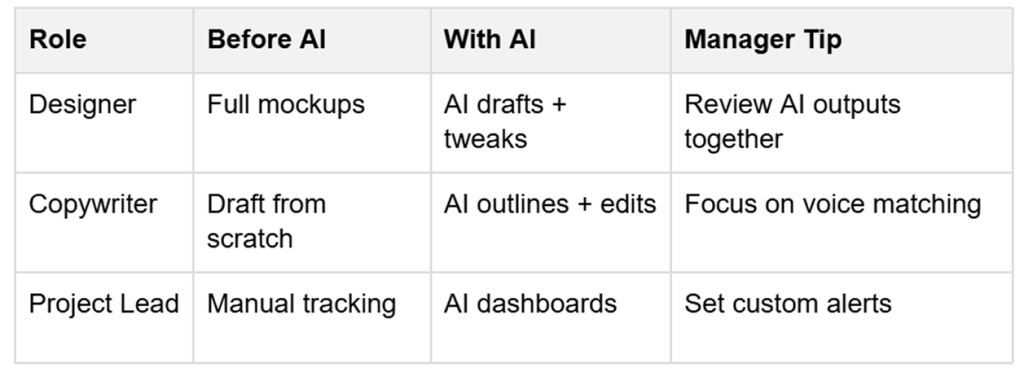
Numbers show gains: agencies report 25-40% faster delivery post-AI.
Innovation Leadership in Practice
Innovation leadership pushes teams past comfort zones. Encourage “AI hack days” where remote members pair up to test new uses.
Spot blockers like old software. Swap them out. Scaling agencies need flexible stacks, cloud tools that grow with headcount.
Real example: A logistics firm in Dubai used AI for route planning, freeing creatives for client pitches. Output jumped 30%.
Scaling Agencies with AI
Scaling agencies means growing without chaos. Remote teams scale more easily with AI handling volume.
Key factors:
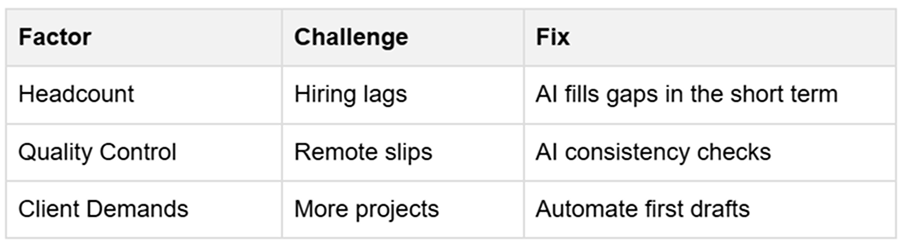
Agencies now handle 2x clients using AI triage. Managers track via shared scorecards.
Keep Momentum Going
Use AI in your updates. Remote creative teams thrive when leaders stay ahead.
Digital Leadership turns AI from buzzword to edge. Agencies scaling now lean on managers who act fast.
Conclusion
Leading AI-powered teams is about balance: combining human creativity with intelligent automation, while keeping remote teams motivated and aligned. Managers who embrace digital leadership, guide adoption thoughtfully, and foster innovation turn AI from a tool into a growth engine.
By rolling out AI strategically, supporting teams through change, and scaling processes smartly, managers not only boost efficiency, they future-proof their agencies and unlock new levels of productivity and creativity.